

You know these words, but how do you get your people to do it?
Accountability and initiative are the backbone of any successful organization. They drive high performance, innovation, and growth. We know that building a culture of ownership is key. This means encouraging employees to take charge of their roles and contributions to our mission. It’s not about micromanaging; it’s about creating a trusted, valued, and motivated workforce. Let’s inspire our teams to step up, take initiative, and deliver outstanding results.
What Does It Mean to Have a Culture of Ownership?
Every team member must take personal responsibility for the organization’s success. This isn’t just about completing tasks—it’s about thinking critically, aligning your work with broader goals, identifying areas of improvement, and aggressively tackling challenges. It’s a mindset shift from “This is my job” to “This is my responsibility.”
Why is it so difficult to establish a culture of ownership? It requires skill sets, as mentioned above. Critical thinking, understanding organizational alignment, and how to move through the company as an asset rather than a liability causing conflict everywhere you see something you want to address.
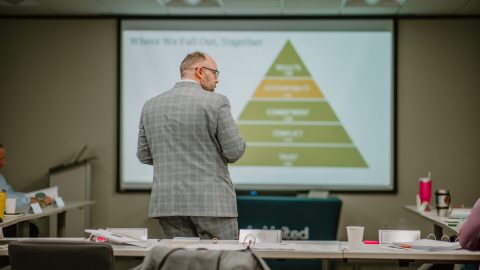
Key Traits of a Culture of Ownership:
- Accountability: Employees hold themselves and each other accountable for results.
- Empowerment: Team members have the tools and authority to make decisions.
- Initiative: Employees actively seek ways to contribute in any way they can.
- Collaboration: Teams work together to solve problems and achieve common goals.
- Trust: Leadership trusts employees to act in the organization’s best interests.
Why a Culture of Ownership Matters
Organizations that cultivate ownership see significant benefits, including:
1. Improved Performance and Productivity
Employees who embrace ownership are more motivated to deliver high-quality work. They take pride in their contributions and are likelier to go the extra mile.
2. Enhanced Innovation
Ownership breeds initiative. They are likelier to propose new ideas, challenge the status quo, and develop creative solutions to complex problems.
3. Higher Employee Engagement
Ownership makes work meaningful. Employees who recognize their efforts directly impact the organization’s success, are more engaged and committed.
4. Stronger Accountability
Ownership fosters a sense of personal responsibility. Employees don’t pass the buck; they take accountability for their actions and outcomes.
5. Better Retention
Trusted employees are likelier to stay with the organization. Ownership strengthens loyalty and reduces turnover.
How to Build Ownership
1. Model the Behavior
Ownership starts at the top. Consistently model the behaviors you want to see in your teams (aka Leading by Example). This means taking responsibility for decisions, admitting mistakes, and demonstrating accountability.
Example:
A leader who openly shares how they’ve handled a misstep—and what they learned from it—sends a powerful message that accountability is valued at every level.
2. Set Clear Expectations
Ambiguity creates disengagement (say what you mean, mean what you say, quit avoiding conflict). Ensure employees understand their roles and responsibilities and how their work contributes to the organization’s goals. Clear expectations provide a framework for accountability.
3. Drive Decision-Making
Micromanagement is the enemy of ownership. Trust employees to make decisions within their scope of responsibility. Provide guidance when needed but give them the autonomy to act.
Tactics for Confidence-building:
- Delegate authority, not just tasks.
- Encourage employees to take calculated risks.
- Recognize and reward initiative.
4. Provide the Right Tools and Resources
Ownership is impossible without the necessary support. Ensure employees have the tools, training, and resources they need to succeed. Regularly solicit feedback to identify gaps and address them proactively.
5. Insist on a Unified Environment
Ownership doesn’t mean isolation. Encourage collaboration across teams and departments to solve problems and share best practices. Collaboration strengthens the sense of shared responsibility.
6. Highlight Successes and Learn from Failures
Recognize and celebrate instances of ownership with intention. Highlight how employees’ proactive efforts have driven results. Treat failures as critical learning opportunities. This reinforces a growth mindset and shows that taking initiative is valued, even when outcomes aren’t perfect. Make it clear: every effort counts, and every lesson learned is should be one less we make down the road.
7. Encourage Continuous Feedback
A culture of ownership thrives on open communication. Encourage regular feedback between employees and leaders. Constructive feedback helps employees grow, while positive reinforcement motivates continued initiative.
8. Align Incentives with Ownership
Tie incentives to outcomes that reflect ownership. Whether through performance bonuses, recognition programs, or career advancement opportunities, align rewards with behaviors that exemplify accountability and initiative.
The Role of Leaders in Sustaining Ownership
Building a culture of ownership isn’t a one-time effort; it requires ongoing commitment from leadership. Leaders play a critical role in sustaining this culture by making it the norm:
- Consistently Modeling Accountability
- Providing Regular Feedback
- Creating Opportunities for Growth
- Maintaining Open Communication
- Celebrating Wins
The Unexpected Benefits of a Culture of Ownership
Beyond the obvious improvements in performance and accountability, a culture of ownership brings additional benefits:
1. Resilience in Times of Change
Teams that embrace ownership are better equipped to adapt to change. They take the initiative to address new challenges and remain focused on solutions.
2. Stronger Employer Brand
A culture of ownership enhances your reputation as an employer of choice. Prospective employees are drawn to organizations with autonomy and opportunities to make an impact.
3. Deeper Customer Loyalty
When employees take ownership, customers notice. Teams that are committed to delivering exceptional experiences foster stronger customer loyalty.
4. Sustainable Growth
Ownership-driven organizations are more likely to sustain long-term growth. Employees who are engaged and accountable drive innovation and operational excellence.
Final Thoughts: Ownership as a Competitive Advantage
Building a culture of ownership is more than improving accountability or fostering initiative. It’s about creating an environment where employees are enabled to execute, innovate, and grow—individually and as a team. The benefits are massive: enhanced performance, deeper engagement, stronger customer relationships, and sustained organizational success.
At Rmada, we specialize in growing cultures of ownership that drive results. Through leadership training, team development, and strategic consulting, we unlock the full potential of your workforce. Let’s make it happen!





Leave a Reply