
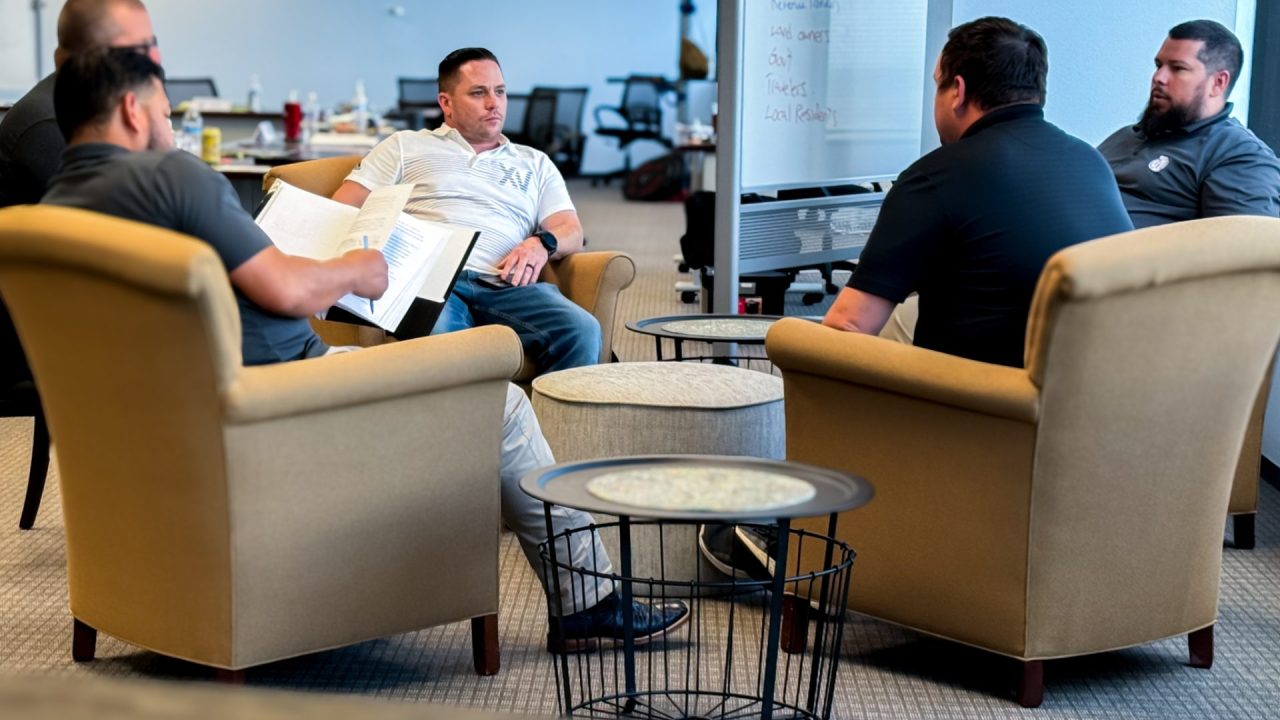
Strong executive communication is more than speaking clearly. It is the ability to influence outcomes, build trust, and align teams toward shared goals. Many leadership programs teach concepts, but without a strong structure, communication training can fall short of creating lasting results.
At Rmada United, our Executive Communications Course – Part 1 is designed to help leaders connect, inspire, and drive measurable change. Whether preparing for a high-stakes presentation or leading a diverse global team, an intentional training structure ensures leaders do more than talk. They lead through communication.
1. Begin with Self-Awareness
The most effective leaders understand how they show up in every interaction. Communication training should start with an honest look at:
- Tone and delivery style
- Body language and presence
- Listening skills compared to speaking time
When leaders recognize their own patterns, they can adjust and build credibility. Without this step, technical skills will not translate into true influence.
If your leadership team has not experienced a communication assessment, explore our Leadership Development Programs to establish this foundation.
2. Teach Adaptive Communication
Executives communicate with many audiences including employees, customers, investors, and the media. Training must help leaders adapt their message to each group while keeping the organization’s purpose consistent.
Role-playing, real-world case studies, and peer feedback create a safe place to practice flexibility without losing authenticity. This adaptability separates skilled speakers from strategic communicators.
3. Include High-Stakes Practice
From crisis response to earnings calls, executives face moments where clarity and composure are non-negotiable. A strong program includes:
- Simulated media interviews
- Boardroom presentations
- Conflict resolution exercises
When leaders practice under realistic conditions, they build confidence and precision.
Prepare your executives for the moments that matter most. Contact us to customize an Executive Communications Course for your organization.
4. Build Feedback into the Process
Skills improve through repetition and review. Ongoing feedback after training can include:
- Coaching sessions
- Peer accountability groups
- Communication goals built into performance reviews
This approach ensures that leaders refine their abilities over time rather than losing momentum after the program ends.
5. Link Communication to Business Results
Communication is not just a personal skill. It directly impacts business performance. Leaders who communicate well see stronger alignment, faster decisions, and greater stakeholder confidence. Training should clearly connect communication behaviors to measurable outcomes so executives see the value in making it a priority.
Learn how effective communication can strengthen your organization. Schedule a consultation with our team to get started.





Leave a Reply